
Growing fresh food at home does not require a huge backyard or years of experience. A small, well-planned vegetable garden can provide herbs, leafy greens, tomatoes, beans, carrots, and other useful crops while teaching you how plants respond to soil, sunlight, water, and weather.
The smartest way to begin is to plan before planting. Choose a suitable location, decide what you actually want to eat, prepare the soil, and select a garden style that fits your space. This guide takes you from the first sketch to maintenance, troubleshooting, and harvest.
What Is a Vegetable Garden?
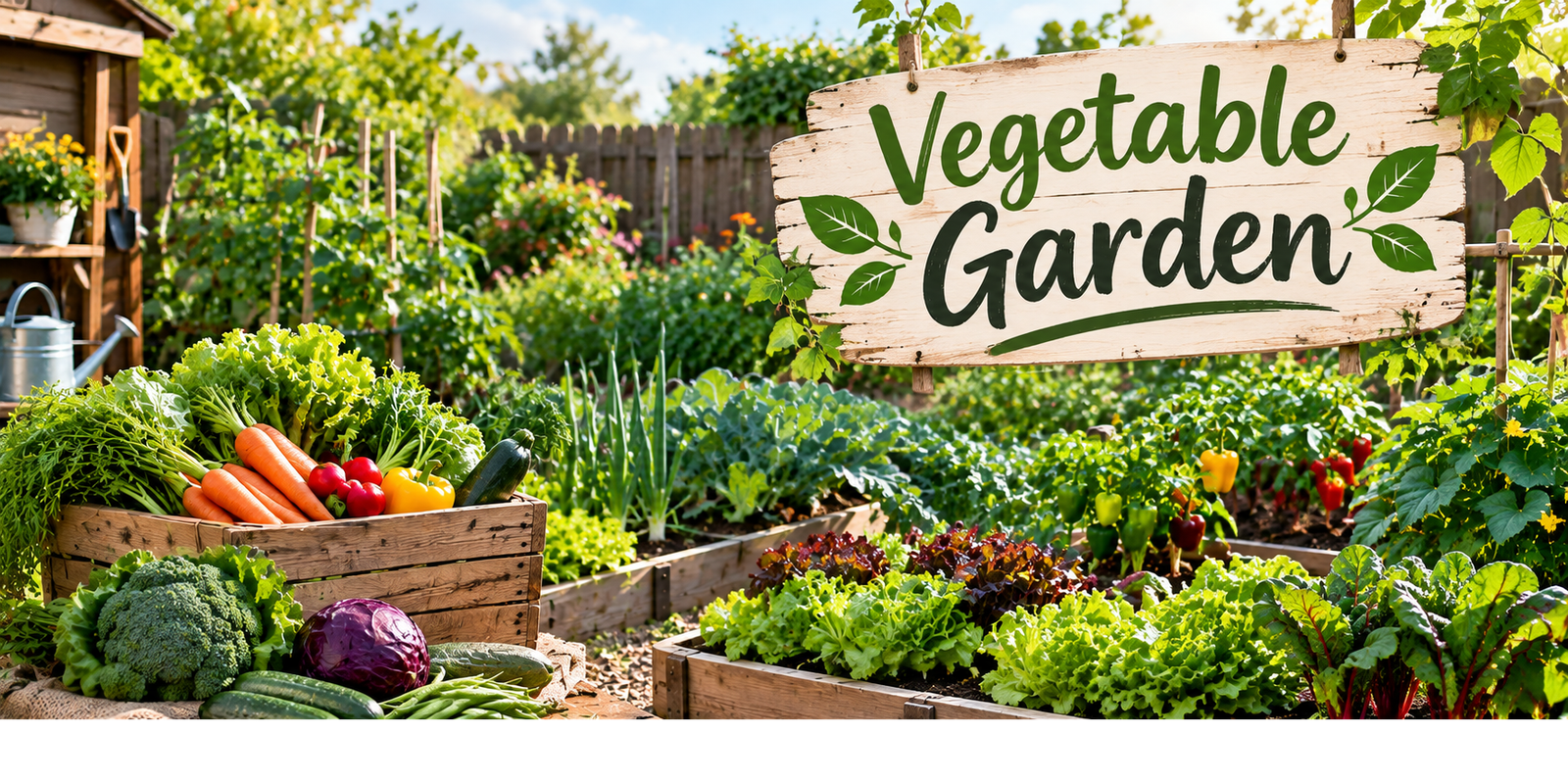
A vegetable garden is a planned space for growing edible plants for home use. It can be planted in the ground, arranged in raised beds, or grown in containers and grow bags.
The right setup depends on your sunlight, water access, soil, climate, available space, and time. You do not need dozens of crops. A few vegetables you regularly eat can be more useful than a crowded plot that becomes difficult to maintain.
How to Start a Vegetable Garden
1. Decide What You Want to Grow
Begin with vegetables your household actually enjoys. Tomatoes, lettuce, radishes, carrots, beans, cucumbers, peppers, and herbs can all be useful choices, but the best crops depend on local conditions.
Before buying seeds, check each crop’s mature size, growing season, sunlight requirement, and care needs. Starting with a short list also makes it easier to notice what works and what needs improvement.
2. Choose the Right Location
Sunlight should be one of your first checks. Many common vegetables perform well with about six or more hours of direct sunlight, while leafy crops can tolerate somewhat less.
Choose a place with good drainage and convenient access to water. Watch for shade from fences, buildings, and mature trees. An easy-to-reach location makes watering, weeding, inspecting plants, and harvesting much simpler.
3. Choose Your Garden Type
| Garden Type | Best For | Main Advantage | Main Limitation |
| In-ground | Larger yards | Plenty of growing room | Existing soil may need work |
| Raised bed | Beginners | Easy organization and soil control | More setup cost |
| Containers | Patios and balconies | Flexible and portable | Limited root space |
| Grow bags | Small spaces | Lightweight and versatile | Can dry quickly |
A small raised bed or several containers may be easier for a beginner than a large plot.
How Big Should a Vegetable Garden Be?
There is no universal ideal size. Your available space, household needs, budget, and maintenance time should determine the scale.
A 2-by-4-foot area can hold herbs, lettuce, or radishes. A 4-by-8-foot bed provides room for more variety, while a 10-by-10-foot plot can support several crop groups. Start with an area you can comfortably inspect and maintain.
The purpose is not to fill every available inch. A manageable garden is easier to water, weed, monitor, and harvest.
How Much Sunlight Does a Vegetable Garden Need?
Observe the site at different times of day before planting. Seasonal changes can also alter how much direct light reaches a bed.
Tomatoes, peppers, cucumbers, and beans generally benefit from plenty of direct sunlight. Lettuce and spinach are more tolerant of partial shade. If your space is shady, select crops suited to that condition instead of forcing sun-loving plants into poor light.
Choosing the Best Vegetables for Your Garden
Easy Vegetables for Beginners
Lettuce, radishes, beans, carrots, and herbs can be approachable choices for new gardeners when they suit the local climate. Choose only a few varieties at first so you can learn how each performs.
Fast-Growing Vegetables
Radishes, baby greens, and leaf lettuce can provide relatively quick harvests. Herbs can also be harvested gradually. Fast crops are useful because they give beginners visible progress and can fill spaces between longer-season plants.
Vegetables for Containers
Containers can work well for herbs, lettuce, radishes, peppers, and compact tomatoes. Choose containers with drainage holes and enough room for mature roots. Remember that containers can dry faster than garden beds during hot weather.
How to Prepare Soil for a Vegetable Garden
Healthy roots need suitable soil, so preparation is worth doing before planting.
Test Your Soil
A soil test can reveal pH and nutrient levels. Use the results to guide amendments instead of adding large quantities of fertilizer based on guesswork.
Add Organic Matter
Compost and well-decomposed organic matter can improve soil structure and moisture management. Clay soil may need help with structure and drainage, while sandy soil can benefit from organic matter that helps retain moisture.
Avoid Over-Fertilizing
More fertilizer does not automatically produce more vegetables. Excess nutrients can cause imbalanced growth and may contribute to environmental problems. Follow soil-test recommendations and product directions.
How to Plan a Vegetable Garden Layout
A good layout makes planting and maintenance easier. Draw your space before putting plants in the ground. Mark beds, paths, containers, and permanent structures.
Place taller crops where they will cause less shade for shorter plants. Leave enough room to reach the center of beds and consider mature plant size rather than the size of a young seedling.
Simple 4-by-8-Foot Layout Example
Imagine dividing a 4-by-8-foot bed into sections. Lettuce and radishes could occupy the front, carrots a compact section, bush beans the middle, and supported tomatoes toward the back.
This is only a sample plan. Your actual arrangement should reflect local planting dates, sunlight, crop varieties, and spacing recommendations.
Vegetable Garden Spacing Guide
Overcrowding makes plants compete for light, water, nutrients, and airflow. It can also make pest and disease problems harder to inspect.
Always check seed packets or plant labels because mature size differs among varieties.
| Crop Type | Examples | Space Consideration |
| Compact | Radishes, green onions | Small footprint |
| Medium | Lettuce, carrots | Moderate spacing |
| Large | Tomatoes, cucumbers | More room and support |
| Spreading | Squash, pumpkins | Substantial space |
Fewer healthy plants are often easier to manage than a bed packed beyond its capacity.
How to Water Your Garden
Do not rely on a rigid daily schedule. Check soil moisture and adjust watering for rainfall, temperature, soil type, container size, and crop needs.
Water near the base of plants so moisture reaches the root zone. Mulch can help reduce evaporation and keep moisture more consistent. Containers may require more frequent checks, while constantly saturated soil can damage roots.
Fertilizing a Vegetable Garden
Plants need nutrients, but fertilizer should be used thoughtfully. Nitrogen supports leafy growth, while phosphorus and potassium play different roles in plant development.
Start with soil information when possible and follow the directions for the fertilizer you choose. A heavier application is not automatically better.
How to Maintain a Vegetable Garden
A simple weekly routine can prevent small issues from becoming major ones.
Weekly Checklist
- Check soil moisture.
- Inspect leaves and stems for pests.
- Remove weeds while they are small.
- Look for disease symptoms.
- Check supports and ties.
- Refresh mulch when needed.
- Harvest mature produce.
- Remove damaged plant material when appropriate.
Regular observation is one of the most valuable habits a beginner can develop. A few minutes of inspection can reveal a pest, watering issue, or broken support early.
Common Vegetable Garden Problems and Solutions
Vegetables Are Not Growing
Poor growth may result from insufficient sunlight, unsuitable soil, inconsistent moisture, temperature stress, overcrowding, pests, or disease. Check conditions systematically instead of changing everything at once.
Yellow Leaves
Yellowing can have several causes, including excess water, nutrient issues, root problems, natural aging, or stress. Examine the whole plant and soil before deciding what action to take.
Holes in Leaves
Insects, caterpillars, slugs, and other causes can create holes. Inspect leaves closely and identify the likely cause before choosing a treatment.
Plants Flower but Produce Little Fruit
Poor fruit production can be connected to pollination, temperature, plant stress, variety, or growing conditions. Fertilizer is not always the solution.
How to Protect a Vegetable Garden From Pests
Start by identifying the pest. Look for chewing damage, eggs, larvae, or other clues.
Physical barriers, healthy growing conditions, hand removal of some pests, and encouraging beneficial insects can help. If treatment is necessary, choose one appropriate for the identified pest and follow its label directions.
Vegetable Garden Ideas for Small Spaces
Limited space does not mean you have to stop growing food. A balcony can hold containers of herbs, greens, peppers, or compact tomatoes. A patio can use grow bags or raised planters, while vertical supports can make better use of height for suitable climbing crops.
When searching for vegetable garden inspiration, adapt attractive ideas to your actual light, container size, climate, and maintenance time. Beautiful vegetable garden ideas can be inspiring, but the most practical design is the one that fits your conditions.
Raised Bed vs. In-Ground Vegetable Garden
| Feature | Raised Bed | In-Ground |
| Soil control | High | Depends on existing soil |
| Initial cost | Usually higher | Often lower |
| Accessibility | Easy to organize | Ground-level |
| Space | Defined area | Flexible |
| Best use | Controlled beds | Larger plots or suitable soil |
Neither option is right for everyone. Consider your existing soil, budget, drainage, available space, and willingness to build before choosing.
Vegetable Garden Mistakes Beginners Should Avoid
Common mistakes include starting with too much space, ignoring sunlight, choosing crops you do not eat, crowding plants, overlooking mature size, watering without checking soil moisture, over-fertilizing, forgetting pathways, and waiting too long to address pests.
Gardening blogs for beginners often emphasize keeping the first season manageable. That approach lets you learn from real results without creating an unnecessarily demanding project.
How to Get More From a Small Vegetable Garden
Productivity is not always about adding more plants. Succession planting, compact varieties, vertical supports, and replanting harvested spaces can help you make better use of limited ground.
For example, after an early radish crop is harvested, the space may be suitable for another crop that fits the remaining season. This keeps the growing area productive without requiring a larger plot.
Seasonal Vegetable Garden Planning
Growing seasons vary by region, so use local planting dates and frost information rather than copying a generic calendar.
Spring
Prepare beds, plant suitable cool-season crops, and begin planning warm-season vegetables.
Summer
Monitor water, mulch, pests, heat stress, supports, and harvests.
Fall
Harvest remaining crops, plant suitable cool-season vegetables where appropriate, and clean up unhealthy plant material.
Winter
Review what worked, plan crop rotations, organize seeds, and prepare for the next season.
A flexible plan is better than blindly following dates because weather can change planting and harvest timing.
Vegetable Garden Harvesting Tips
Harvest crops when they reach the maturity stage appropriate for the variety. Beans and cucumbers are often picked while tender, while root crops may have a broader harvest window.
Harvest regularly to maintain quality and, for some crops, encourage continued production. Keep notes about varieties, planting dates, problems, and harvests. These records can improve future planning and demonstrate genuine first-hand experience when documenting your gardening process.
Vegetable Garden Tools You Actually Need
You do not need a garage full of equipment. A hand trowel, gloves, watering tool, pruners, plant labels, and a simple measuring tool cover many basic tasks.
Buy additional tools only when your garden creates a genuine need. This keeps startup costs manageable and prevents unnecessary purchases.
Starting a vegetable garden can be a rewarding way to make better use of your outdoor space while enjoying fresh produce throughout the growing season. You do not need a large backyard or expensive equipment to begin. A few containers on a sunny patio, a compact raised bed, or a small section of your yard can provide enough room to grow useful crops. Before planting, take some time to observe how much sunlight your space receives, where rainwater collects, and how easily you can reach the plants. These simple observations can help you choose suitable vegetables and avoid common beginner problems. Leafy greens, radishes, carrots, beans, herbs, and compact tomato varieties can be practical starting choices when they match your local growing conditions. It is also helpful to grow vegetables that you regularly eat because this makes the effort more worthwhile. Instead of filling every available space, leave enough room for plants to mature, paths to remain accessible, and air to circulate. A thoughtfully planned vegetable garden is generally easier to water, weed, inspect, and harvest than an overcrowded one.
A Simple Vegetable Garden Plan for Beginners
For a hypothetical 4-by-8-foot starter garden, choose four or five crops with compatible requirements. You could place lettuce and radishes near the front, carrots in a compact section, bush beans in the middle, and supported tomatoes toward the back.
Before planting, confirm recommended spacing and planting dates for your location. Then create a simple routine for watering, inspecting, weeding, and harvesting.
As your vegetable garden develops, regular observation becomes just as important as planting. Walk through the growing area several times a week and look beneath leaves, check soil moisture, inspect stems, and remove weeds while they are still small. If a plant begins to wilt, develop yellow leaves, or show holes, investigate the possible cause before immediately adding fertilizer or applying a treatment. Problems may come from watering, poor drainage, pests, disease, insufficient sunlight, or natural plant development. Keeping a simple gardening notebook can make future seasons easier because you can record planting dates, varieties, weather conditions, harvests, and problems you encountered. You can then use those observations to improve your vegetable garden year after year. Try succession planting when space allows, use vertical supports for suitable crops, and replant areas after early vegetables are harvested. With patience and consistent care, even a small vegetable garden can become a productive and enjoyable part of your home.
The goal is not perfection during the first season. It is to learn what works in your space and improve the plan over time.
Conclusion
A productive vegetable garden starts with realistic planning, not expensive equipment or a huge amount of space. Choose a suitable location, understand your soil, select crops that fit your conditions, give plants enough room, and establish a simple maintenance routine.
As you gain experience, experiment with new varieties, layouts, succession planting, and seasonal crops. The best garden is one that fits your life and gives you useful lessons as well as fresh produce.
For additional inspiration, explore the best vegetable garden blog, gardening blogs, and gardening websites for beginners, but adapt advice to your own climate and conditions. The best gardening blogs can provide ideas, while reliable horticultural resources can help you verify crop-specific recommendations. Creative Vegetable Gardener and other garden blogs can also be useful sources for practical ideas.
Frequently Asked Questions
What is the easiest vegetable to grow?
Radishes, lettuce, some beans, and herbs can be approachable choices for beginners when they suit local conditions.
How much sunlight does a vegetable garden need?
Many common vegetables prefer around six or more hours of direct sunlight, although requirements vary. Leafy crops are often more tolerant of partial shade.
How big should a vegetable garden be for beginners?
Start with a manageable area. A small raised bed, a few containers, or a compact 4-by-8-foot plot can provide useful practice without excessive maintenance.
What vegetables grow well together?
Choose crops with similar light, water, and seasonal requirements, while considering mature size and spacing.
How often should I water a vegetable garden?
There is no universal daily schedule. Check soil moisture and adjust for rainfall, temperature, soil type, container size, and crop needs.
What soil is best for a vegetable garden?
Vegetables generally benefit from fertile, well-drained soil with adequate organic matter. Soil testing can help determine whether pH or nutrient amendments are needed.
Can I grow vegetables without a backyard?
Yes. Containers, grow bags, balconies, patios, and small raised beds can support suitable crops when they receive adequate light and have proper drainage.
You May Also Read: Flower Border
